

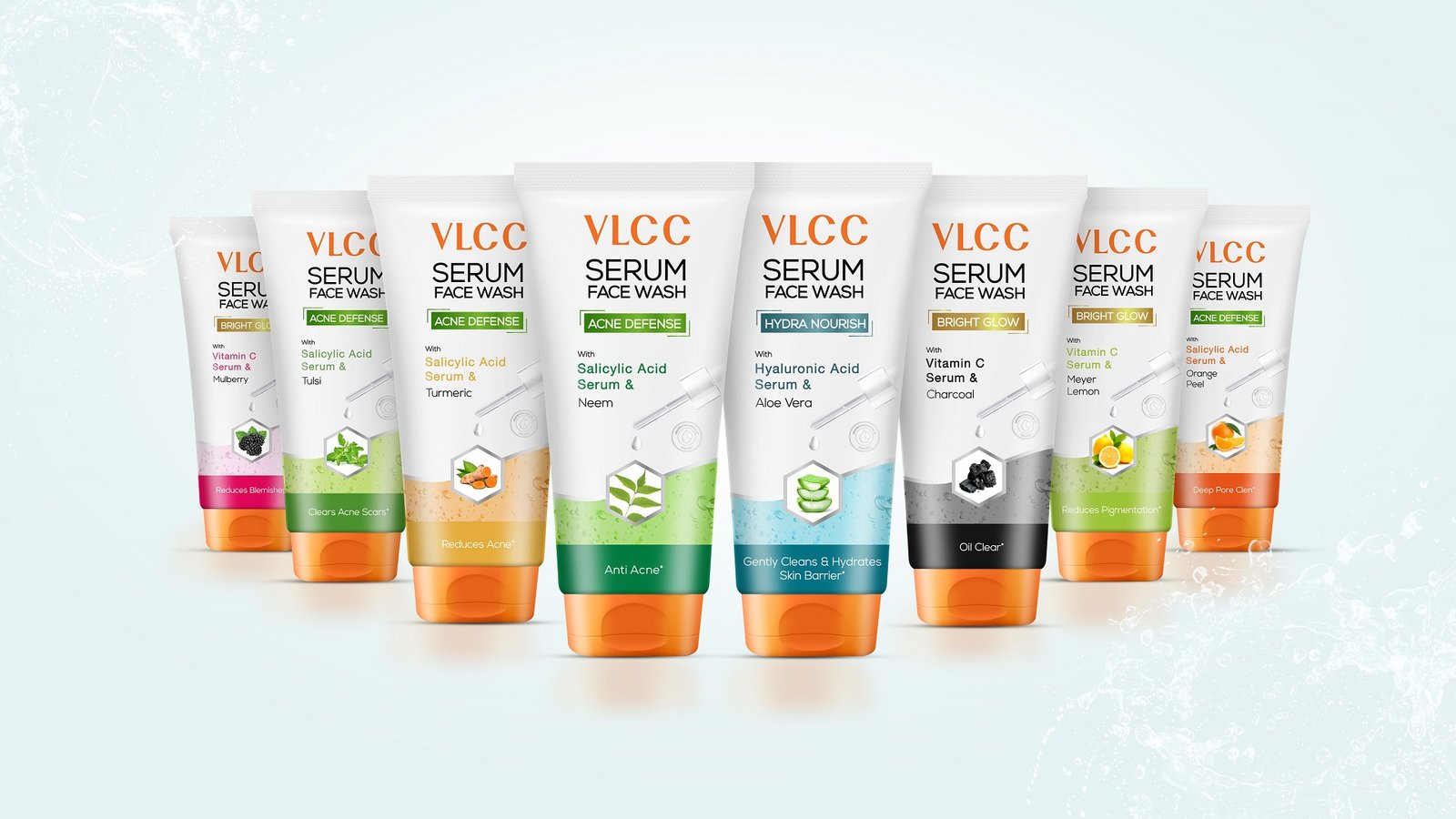
Ultimate Guide to Product Packaging Design: Top Strategies for Success
Creating compelling product packaging design is a crucial part of any product’s success. Effective packaging not only protects the product but also communicates the brand’s story and attracts consumers. This guide dives deep into the nuances of product packaging design, offering expert advice for designing product packaging that stands out in the market.
Table of Contents
Understanding Premium Product Packaging Design
Product packaging design encompasses the creation of the exterior of a product. This involves the material and form, graphic design, colors, and fonts used on the wrapping, box, or container. Good packaging is essential as it not only safeguards the product but also captures consumer attention and communicates the brand’s message. To get a premium look, you need to work magic.
The Importance of Product Packaging Design
Effective product packaging design is vital for several reasons. It:
•Protects the product: Ensuring the product arrives in perfect condition. Think food packaging, beverages in bottles.
•Communicates the brand’s story: Offering a visual narrative of the brand’s values and mission.
•Attracts customers: Catching the eye of potential buyers on the shelf or online.
•Conveys information: Providing essential details such as usage instructions, ingredients, and safety warnings.
Designing Product Packaging: Key Considerations
1. Material Selection
Choosing the right packaging material is crucial. Consider factors such as durability, cost, and environmental impact. Common materials include:
•Cardboard: Popular for its versatility and recyclability.
•Plastic: Offers durability but can be environmentally problematic.
•Glass: Provides a premium feel, ideal for luxury products.
•Metal: Used for its robustness and often seen in cans and tins.
2. Sustainable Packaging
Sustainability is increasingly important in packaging design. Opt for materials that are:
•Biodegradable: Break down naturally without harming the environment.
•Recyclable: Can be reprocessed and used again.
•Reusable: Encourage consumers to repurpose the packaging.

3. Branding and Aesthetic Elements
Effective packaging should align with the brand’s identity and appeal to the target audience. Key elements include:
•Logo Placement: Ensure the logo is prominently displayed for brand recognition.
•Color Scheme: Use colors that reflect the brand’s personality and appeal to the target market.
•Typography: Choose fonts that are readable and align with the brand’s style.
4. Functional Design
Design packaging that is easy to use and functional. Considerations include:
•Ease of Opening: Avoid overly complex packaging that frustrates customers.
•Portability: Ensure the packaging is easy to carry and store.
•Product Fit: Design packaging that snugly fits the product to avoid damage.
The Packaging Design Process
The packaging design process involves several steps, from concept to completion:
1. Research and Planning
Understand the product, the market, and the target audience. This phase includes:
- Market Analysis: Study competitors and market trends.
- Target Audience Research: Identify the preferences and needs of the target demographic.
- Positioning: Do a packaging design audit to understand the brand’s positioning vis a vis the competitors
2. Concept Development
Create initial design concepts. Packaging design is the process of iteration. This involves:
- Sketching Ideas: Generate a variety of concepts.
- Mood Boards: Compile visual references that align with the brand’s vision.

3. Prototyping
Develop prototypes to test the different designs. Key steps include:
- Dieline Creation: Design the flat template for the packaging.
- Material Testing: Evaluate different materials for durability and appearance.
4. Feedback and Refinement
Gather feedback and refine the design. This phase includes:
- Focus Groups: Present designs to a group of potential customers for feedback.
- Iterative Design: Make necessary adjustments based on feedback.
5. Finalization and Production
Finalize the design and move to production. Key steps include:
- High-Resolution Design: Ensure the final design is in high resolution for print quality.
- Production Specifications: Detail the specifications for the manufacturer.
Top Trends in Product Packaging Design
1. Minimalist Design
A minimalist approach can convey elegance and sophistication. Focus on:
- Clean Lines: Use simple shapes and lines.
- Limited Color Palette: Stick to a few complementary colors.

2. Eco-Friendly Packaging
Prioritize environmentally friendly packaging solutions. Key trends include:
- Biodegradable Materials: Use materials that decompose naturally.
- Reusable Containers: Encourage customers to reuse packaging.
3. Custom Packaging
Custom packaging can enhance the customer experience. Consider:
- Unique Shapes: Design packaging that stands out.
- Personalized Touches: Add elements like personalized messages or custom designs.
The Role of a Packaging Design Agency
A packaging design agency can provide expert assistance in creating compelling packaging. Benefits include:
- Professional Expertise: Access to experienced designers and industry knowledge.
- Creative Solutions: Innovative design ideas that align with the brand.
- Streamlined Process: Efficient handling of the entire design process from concept to production.
Choosing the Right Packaging Design Company
When selecting a packaging design company, consider the following:
- Portfolio: Review previous work to assess their style and quality.
- Client Testimonials: Check feedback from past clients.
- Service Range: Ensure they offer a wide range of packaging solutions.
- Sustainability Practices: Verify their commitment to sustainable packaging.
The Growth of Product Packaging Design in India
Product packaging design in India has witnessed remarkable growth over the past decade. As the country’s economy continues to expand, Indian brands are increasingly recognizing the importance of packaging as a key element in their marketing strategy. This evolution is driven by the need to stand out in a crowded market and to appeal to a more discerning consumer base.
Leading Brands and Innovations
Prominent Indian brands have been at the forefront of this packaging revolution. Companies like Amul, Tata, and Hindustan Unilever have set high standards in product packaging design. Amul, for instance, has consistently innovated its dairy product packaging, making it more functional and visually appealing. Tata’s consumer products, including Tata Tea and Tata Salt, have also embraced modern packaging designs that reflect their brand values and resonate with consumers.
Hindustan Unilever, a dominant player in the FMCG sector, has redefined packaging with brands like Dove and Surf Excel. Their packaging not only ensures product protection but also enhances the user experience through convenient and sustainable designs.
Emerging Startups and Unique Approaches
India’s startup ecosystem has played a significant role in advancing packaging design. Brands like Paper Boat and Epigamia have introduced unique packaging that tells a story and connects emotionally with consumers. Paper Boat, known for its traditional Indian beverages, uses packaging that evokes nostalgia, featuring vibrant colors and illustrative designs that capture the essence of Indian culture.
Epigamia, a health-focused dairy brand, uses sleek and modern packaging to appeal to health-conscious millennials. Their minimalist designs and clear labeling convey the brand’s commitment to transparency and quality.
The Future of Packaging Design in India
As sustainability becomes a priority, Indian brands are increasingly adopting eco-friendly packaging solutions. Biodegradable materials and reusable designs are gaining traction, driven by both consumer demand and regulatory pressure. This shift towards sustainable packaging is set to further innovate and transform the industry.
In conclusion, the growth of product packaging design in India is a testament to the country’s dynamic and evolving market. With a blend of tradition and modernity, Indian brands and designers continue to push the boundaries, setting new benchmarks in the packaging industry.
Conclusion
Mastering product packaging design requires a blend of creativity, practicality, and an understanding of market trends. By focusing on material selection, sustainable practices, branding, and functionality, you can create packaging that not only protects the product but also enhances the brand’s identity and appeals to consumers.
For expert packaging design solutions, The Design People offers professional services in Bangalore and Mumbai. Fill out our contact form to engage with us and elevate your product’s packaging to the next level.
At the Design People, we know more than just the a-b-c of packaging. From Ayurvedic Packaging to Bread, Coffee, Festive, Limited Editions, Masala, Make up, Medicine Box, Pickles, Sleeve or Toys – we’ve done it all. Why not let our expertise be your advantage?
FAQs on Product Packaging Design
What is product packaging design?
Product packaging design involves creating the exterior of a product, including the choice of materials, graphics, colors, and typography. This design is crucial for protecting the product, attracting consumers, and communicating the brand’s message.
Why is product packaging important?
Product packaging is essential because it protects the product, enhances brand recognition, provides necessary information, and influences consumer purchasing decisions. Good packaging can significantly improve a product’s marketability.
How does sustainable packaging benefit a brand?
Sustainable packaging benefits a brand by reducing environmental impact, appealing to eco-conscious consumers, complying with regulations, and potentially reducing costs through the use of recyclable or biodegradable materials. It also enhances a brand’s image as socially responsible.
What materials are commonly used in product packaging design?
Common materials include cardboard, plastic, glass, metal, and biodegradable materials. The choice depends on the product’s needs, brand values, and sustainability goals.
Why work with a product packaging design company?
Working with a product packaging design company offers several advantages:
• Professional Expertise: Packaging design companies have specialized knowledge and experience in creating effective packaging that meets both aesthetic and functional requirements. They understand the latest trends, materials, and technologies, ensuring your packaging is up-to-date and competitive.
• Creative Solutions: These companies provide innovative and creative design solutions tailored to your brand’s identity and target market. They can help you stand out on the shelves and create a strong brand presence.
• Streamlined Process: Packaging design companies handle the entire process, from concept development to final production. This ensures a smooth workflow, saving you time and effort, and allowing you to focus on other aspects of your business.
• Cost-Effective: Professional designers can help optimize your packaging for cost-effectiveness, reducing material waste and production costs. They can also advise on bulk production and sustainable practices that could further save costs.
• Market Understanding: Packaging design companies have a deep understanding of market dynamics and consumer behavior. They can tailor your packaging to appeal to your specific audience, increasing the likelihood of a positive response and higher sales.


