
Understanding the Importance of Food Packaging Design
When it comes to packaging design for food in India, the trends are rapidly evolving to cater to a diverse consumer market. The vibrant colors and intricate patterns used in packaging designs reflect the rich cultural heritage of the country. Here’s a guide to food packaging design in India.
Brands are incorporating traditional elements with a modern twist to appeal to the Indian audience. From eco-friendly materials to innovative shapes and dissolving label designs, packaging designers are pushing boundaries to create captivating designs in their product packaging designs.
Moreover, the packaging design process for food brands in India involves thorough research and understanding of local preferences. Designers focus on creating packaging that not only protects the product but also tells a story. By incorporating elements that resonate with the target market, brands can establish a strong connection with consumers.
Agency Tips: Packaging Design for Food
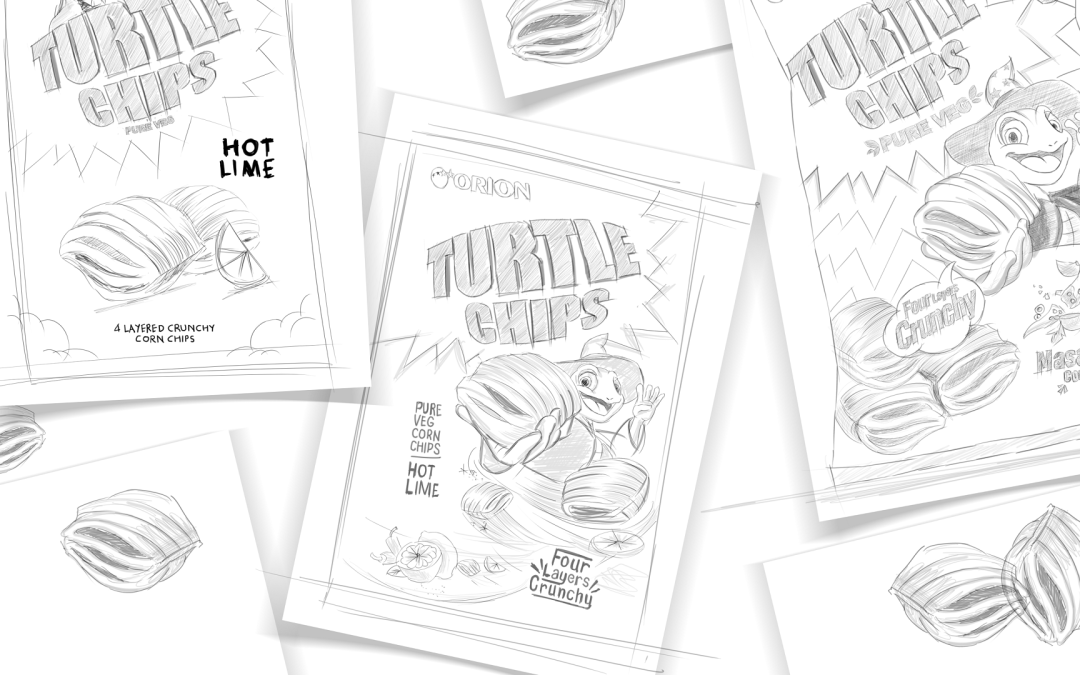
Market research in food packaging design in India shows a blend of traditional aesthetics and modern design elements. Brands like Orion Turtle Chips have successfully integrated local motifs and colors into their packaging, appealing to a wide range of consumers. The use of vibrant illustrations and bold typography helps products stand out on shelves.
1. Eco-Friendly Packaging / Sustainable Packaging Material
Consumers are increasingly demanding sustainable packaging solutions for their healthy food choices. Brands are responding by using recyclable, biodegradable, and compostable materials. Innovations include plant-based plastics, paper packaging, and reusable containers.
2. Minimalistic Designs:
Simplicity is key in modern packaging. Minimalistic designs focus on essential information, clean lines, and uncluttered visuals. This approach not only reduces waste but also appeals to consumers looking for straightforward, honest branding.
3. Smart Packaging:
Integration of technology in packaging is on the rise. QR codes, NFC tags, and augmented reality are being used to provide consumers with additional product information, interactive experiences, and enhanced engagement. This trend helps brands connect with tech-savvy consumers and provide a richer user experience through food product packaging design.
4. Customization and Personalization:
Personalized packaging is becoming a powerful tool for brands to create a unique customer experience. This can include custom labels, personalized messages, and packaging that reflects individual consumer preferences or seasonal themes. Personalization helps in building stronger emotional connections with consumers.
5. Vibrant Colors and Bold Graphics:
Bright, bold colors and striking graphics are increasingly popular. These elements make products stand out on shelves and attract consumer attention. Vivid colors and high-contrast designs can convey the product’s unique qualities and brand personality.
6. Transparent and Honest Packaging:
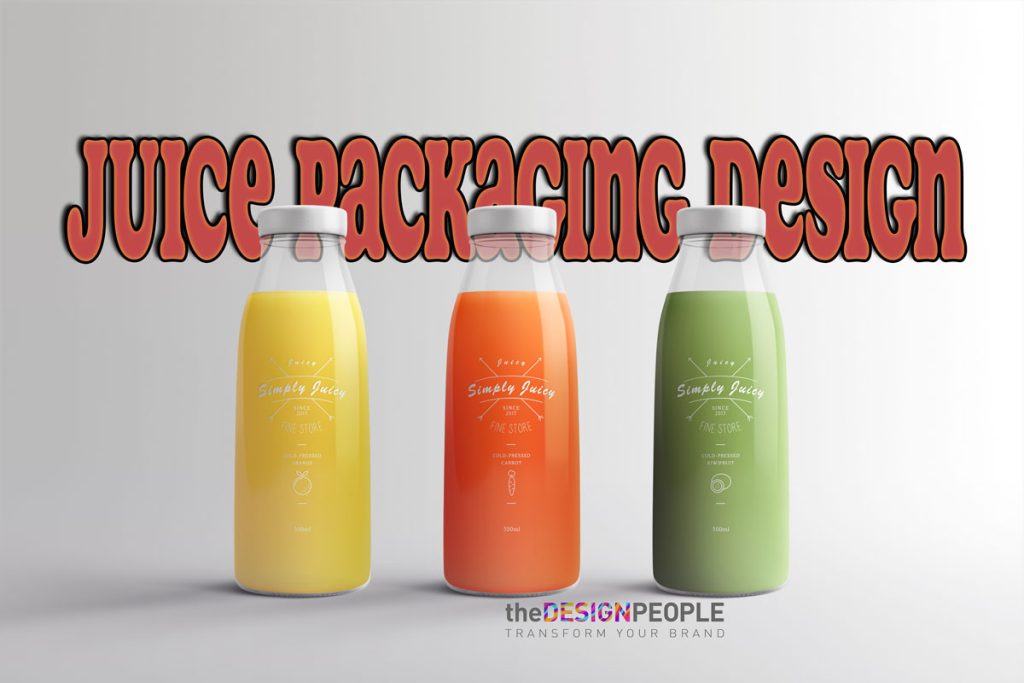
Transparency in packaging design refers to both the physical transparency of materials and the honest communication of product information. Clear packaging allows consumers to see the product inside, building trust and confidence. Honest labeling and transparency about ingredients and sourcing are also crucial.
Packaging Needs: Vibrant Colors and Cultural Motifs
1. Vibrant Colors:
- Eye-Catching Appeal: Bright, vibrant colors are used to attract attention and differentiate products on crowded shelves. This approach is especially effective in competitive markets where visual impact can influence purchasing decisions.
- Brand Identity: Colors are strategically chosen to align with brand identity and convey specific messages. For example, green often represents eco-friendliness, while red can signify excitement and passion.
- Cultural Relevance: Color choices can reflect cultural significance and resonate with specific consumer groups. For instance, gold might be used in packaging aimed at Asian markets to symbolize prosperity and luck.
2. Cultural Motifs:
- Cultural Storytelling: Incorporating cultural motifs into packaging design helps brands tell a story that resonates with their target audience. Traditional patterns, symbols, and artwork can create a sense of heritage and authenticity.
- Local Connection: Using culturally relevant designs can enhance the local appeal of a product, making it more relatable and attractive to consumers from specific regions. This approach can also show respect for and understanding of the target culture.
- Global Appeal: For brands with international reach, blending cultural motifs with modern design elements can create a unique and globally appealing aesthetic. This fusion can attract a diverse consumer base while maintaining cultural integrity.
Examples of Successful Implementations
- Eco-Friendly Packaging: Brands like Lush and Patagonia use minimalistic, sustainable packaging that aligns with their environmental values.
- Smart Packaging: Heineken’s “Interactive Bottle” campaign used LEDs and sensors to engage consumers.
- Vibrant Colors: Coca-Cola’s seasonal cans often feature bold, festive colors that stand out and attract holiday shoppers.
- Cultural Motifs: Starbucks has used designs that incorporate local art styles in various markets, creating packaging that feels both unique and familiar.
Brands like Blue Tokai have successfully adopted minimalistic packaging for their coffee range, achieving a perfect balance between aesthetic appeal and functional design. Consumers are drawn to the sleek and modern look of minimalist packaging, making it a popular choice in the food industry.
Packaging Design for Food: Highlighting Brand Identity
Creating an effective brand identity through food packaging is essential for establishing a strong presence in the market. Packaging plays a crucial role in conveying brand values and positioning products effectively. By incorporating consistent branding elements across packaging designs, brands can enhance recognition and build consumer trust.
Highlighting your branding in the food packaging design is crucial for creating a lasting impact on consumers. By incorporating logos, brand colors, and unique design elements, brands can establish a distinctive identity in the market. Consistency in branding across different product lines helps build brand recognition and fosters brand loyalty.
Moreover, brands can leverage storytelling through packaging to communicate brand values and engage consumers emotionally. By sharing the origin and story behind the product, brands create a personal connection with customers. Packaging that resonates with consumers on a deeper level leads to stronger brand affinity and repeat purchases.
Furthermore, brands can use their packaging design for food, as a canvas for creative expression, allowing them to showcase their personality and values. By creating packaging that reflects the essence of the brand, companies can build a unique identity that resonates with their target audience.
Creative Food Packaging Design Ideas for Your Brand
Creative food packaging design ideas can serve as a powerful tool for brand differentiation and consumer engagement. Brands that explore unconventional packaging shapes, innovative materials, and interactive elements capture the attention of consumers.
By infusing creativity into packaging design, brands create a memorable experience that sets them apart in a competitive market.
One creative idea for a food packaging design project is incorporating augmented reality elements that offer interactive features to consumers. By scanning the packaging with a smartphone, customers can unlock hidden content, games, or product information, enhancing their overall brand experience.
Additionally, personalized packaging design allows brands to connect with consumers on a personal level. By incorporating custom illustrations, messages, or names on packaging, brands create a sense of exclusivity and build strong emotional connections with customers.
Utilizing Graphic Design for Strong Brand Identity
Utilizing graphic design for a strong brand identity is crucial in creating visually appealing and cohesive packaging designs. Graphic elements such as typography, illustrations, and patterns play a significant role in communicating brand values and resonating with the target audience.
Brands can leverage graphic design to convey the essence of their products and differentiate themselves from competitors. By incorporating unique visual elements that reflect brand personality, companies establish a memorable brand identity that captures consumer attention.
Furthermore, graphic design can be used to create a seamless brand experience across various touchpoints. From packaging to digital platforms, consistent graphic elements help reinforce brand recognition and create a cohesive brand image. Brands that invest in high-quality graphic design establish a strong visual identity that resonates with consumers.
Great Food Packaging Design Ideas
Innovative product packaging ideas are essential for brands looking to stand out in the competitive food industry. With changing consumer preferences and increased emphasis on sustainability, brands are exploring creative packaging solutions to attract and retain customers. From unique shapes to interactive packaging, innovative ideas can set products apart on the shelf.
Inspiration to be creative in packaging design for food products can come from various sources, including consumer trends, cultural influences, and technological advancements. By staying informed about industry developments and consumer preferences, brands can develop packaging that resonates with their target audience.
Inspiration to Be Creative in The Product Packaging Design Process
Inspiration to be creative in packaging design for food products can stem from various sources, including nature, art, and cultural influences. Brands that draw inspiration from their surroundings and incorporate unique elements into packaging create a distinct identity that resonates with consumers. By experimenting with colors, textures, and materials, brands can develop packaging that stands out on the shelf.
What to Avoid When Designing Food Packaging
When designing food packaging, avoiding common pitfalls can help brands create packaging that resonates with consumers and stands out in the market. One key mistake to avoid is cluttered designs that overwhelm consumers and dilute brand messaging. By keeping packaging clean, simple, and focused, brands can communicate their message effectively.
Avoiding excessive use of plastic and non-recyclable materials is essential to align with sustainability goals and consumer preferences. Brands that prioritize eco-friendly packaging solutions demonstrate a commitment to environmental stewardship and appeal to conscious consumers.
Furthermore, overlooking regulatory requirements and safety standards can pose risks to brands and consumers. Ensuring compliance with packaging regulations and industry guidelines is essential to protect the brand reputation and maintain consumer trust. By conducting thorough testing and validation, brands can avoid potential issues and deliver packaging that meets quality standards.
How to Design Food Packaging
Ok – not really, but we liked this video and the thinking.
FAQ for Food Packaging Design
Why is effective food packaging design important?
Effective food packaging design plays a crucial role in catching the consumer’s attention, conveying the brand’s identity, and differentiating your product from competitors on the shelf.
Ask your Product Packaging Design Agency to update your category scans and pack decodes so that you always know where you stand. If you don’t know what this is, reach out through the form below
How can brand strategy influence food packaging design?
Brand strategy is essential in determining the overall look and feel of the packaging design, ensuring it aligns with the brand’s values and messaging to create a cohesive consumer experience.
What are the key elements to consider when creating great packaging for food products?
When creating food packaging, factors such as the type of food, different flavors, font choice, and the overall branding agency’s guidelines should be taken into account to create a winning design.
What should be avoided in food packaging design strategy?
Overly cluttered designs that confuse consumers.
Non-compliance with safety and regulatory standards.
Can The Design People help me with Packaging Design for Food?
Yes we can. At the Design People, we know more than just the a-b-c of packaging. From Agarbatti & Ayurvedic Packaging to Bread, Biscuits, Cosmetics, Craft beer, Ghee, milk, Perfume, Sweets and Water Bottles – we’ve done it all. Let our expertise be your advantage.